

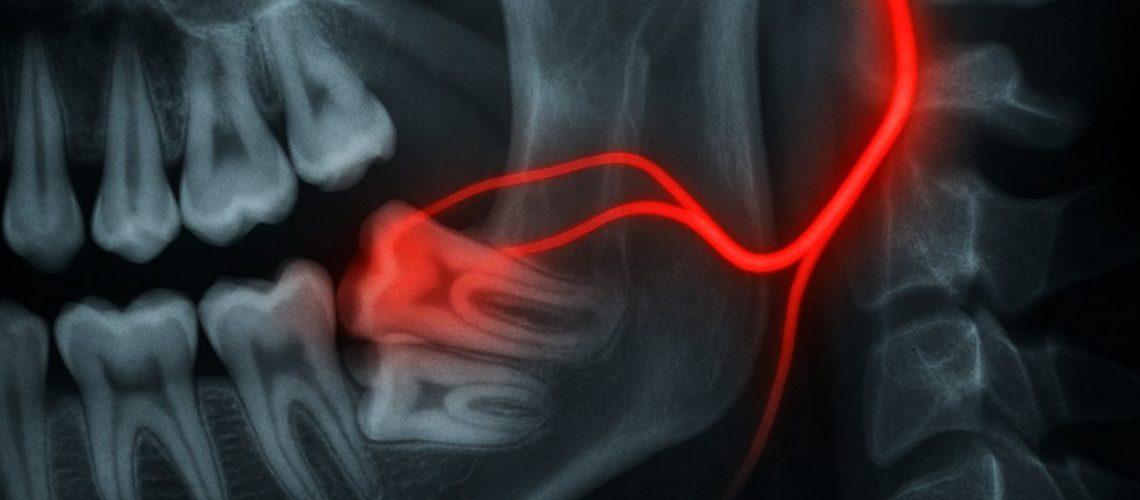
Many people with wisdom tooth problems report ear pain. That pain often comes from the jaw, nerves, or infection near the wisdom teeth rather than the ear itself. This post explains how wisdom tooth pain can cause ear symptoms, how clinicians tell the difference between dental and ear problems, and what treatment — including wisdom tooth extraction — may help. If you are experiencing ear pain with tooth discomfort, this guide will help you know when to seek care and what to expect.
How Wisdom Teeth Can Cause Ear Pain
Nerve Pathways And Referred Pain
The nerves that serve your teeth and jaw sit close to the ear. Pain from a lower wisdom tooth can travel along the trigeminal nerve and feel like it’s in the ear. This "referred pain" means you might have sharp or dull ear pain even if the ear is healthy. If you feel ear pain that changes when you bite or open your mouth, it can point to a dental source like wisdom tooth pain in Plymouth, MA.
Infection, Inflammation, And Pressure From Impacted Teeth
Impacted or partially erupted wisdom teeth can trap food and bacteria. That leads to infection and swelling. The swelling can press on nearby tissues and create a pressure or fullness that feels like ear pain. An abscessed wisdom tooth can also cause throbbing pain that radiates toward the ear. If you have fever, bad taste, or swelling with ear discomfort, the cause may be a tooth infection that needs prompt care.
Common Signs: Is Your Ear Pain Really Wisdom Tooth Pain In Plymouth, MA?
Typical Symptoms That Point To A Wisdom Tooth Problem
- Pain that worsens when chewing or opening wide
- Swelling around the back of the jaw or cheek
- Bad taste or bad breath with ear pain
- Pain that starts near a back tooth and moves toward the ear
- Difficulty opening the mouth fully (trismus)
Symptoms That Suggest An Ear Or Sinus Issue Instead
- Hearing loss, ear drainage, or ringing (tinnitus)
- Pain that improves with yawning or equalizing pressure
- Fever with nasal congestion and facial pressure pointing to sinusitis
- Localized ear pain without tooth or jaw tenderness
How Clinicians Diagnose Wisdom Tooth Pain Vs Ear Problems
Medical And Dental Exam Steps
Your doctor or dentist will take a history and do a physical exam. A dentist will check the teeth, gums, and jaw motion. An ENT will examine the ear and nasal passages. Clinicians often ask about when the pain started, what makes it worse, and whether chewing or biting changes the pain.
Imaging And Tests (X-Ray, CBCT) To Find The Source
Dental X-rays or a CBCT scan can reveal impacted wisdom teeth, infections, or bone involvement. Imaging helps pinpoint whether the pain source is a tooth, a jaw joint problem, or an ear-related issue. For suspected infections, your clinician may check for swelling, pus, or lymph node enlargement.
When ENT Or TMJ Evaluation Is Needed
If the exam suggests ear disease, hearing loss, or sinus problems, an ENT consult is appropriate. If jaw joint (TMJ) pain is suspected, a dentist or TMJ specialist may evaluate jaw alignment and muscle function. Sometimes multiple specialists work together to identify the cause of persistent ear or facial pain.
Treatment Options For Wisdom Tooth Pain And When Wisdom Tooth Extraction Is Recommended
Immediate Care: Pain Control, Antibiotics, And Managing Infection
Initial treatment often focuses on controlling pain and treating infection. Over-the-counter pain relievers and warm saltwater rinses can help. If there is an active infection, a clinician may prescribe antibiotics and drain any abscess if needed. These steps can reduce ear-related symptoms while planning definitive care for the wisdom tooth problem.
When A Wisdom Tooth Extraction Is The Best Fix
Extraction is recommended when a wisdom tooth is impacted, repeatedly infected, causes damage to adjacent teeth, or creates ongoing pain that affects daily life. A planned wisdom tooth extraction in Plymouth, MA may stop the source of referred ear pain and prevent future infections. Your surgeon will explain risks, anesthesia options, and timing.
Recovery Expectations And Tips To Reduce Ear-Related Symptoms After Extraction
- Expect some swelling and discomfort for a few days after extraction
- Use ice packs, rest, and prescribed pain medicines as directed
- Keep the area clean with gentle rinses after 24 hours
- Avoid heavy lifting or vigorous rinsing for the first week
- Ear symptoms often improve within days to weeks after the tooth source is removed
Lane Oral Surgery’s Approach To Treating Wisdom Tooth Pain In Plymouth, MA
Short Note On Experience And Surgical Options (IV Sedation, Nitrous, Oral Sedation)
Lane Oral Surgery brings over 35 years of experience to treating wisdom tooth pain in Plymouth, MA. The team offers multiple anesthesia options — IV sedation, nitrous oxide, and oral sedation — to keep patients comfortable during wisdom tooth extraction and other procedures.
Key Technologies That Help: Digital Imaging, PRP, And Same-Day SmileOn! Implant Workflow (When Extraction Leads To Replacement)
The practice uses advanced digital imaging and CBCT to plan precise surgery. Platelet-rich plasma (PRP) supports healing after extraction. For patients who need tooth replacement, the SmileOn! workflow can allow same-day implant placement and a temporary restoration when appropriate.
How To Schedule A Consult, Financing Options, And Patient Resources
Patients can schedule an evaluation online or by phone to discuss wisdom tooth pain in Plymouth, MA. Lane Oral Surgery offers in-house financing and patient resources such as a video library, testimonials, and a smile gallery to help people prepare for treatment and recovery.
When To Seek Urgent Care For Severe Wisdom Tooth Pain And Ear Symptoms
Red-Flag Symptoms That Need Same-Day Attention
- High fever, severe swelling that affects breathing or swallowing
- Severe, unrelenting pain not controlled by medications
- Rapid spread of facial swelling or signs of deep infection
- Foul-smelling drainage or inability to open the mouth
What To Expect At An Emergency Consult And Next Steps (Including Possible Extraction)
In an urgent consult, clinicians assess airway and infection risk, provide pain control and antibiotics if needed, and decide if immediate extraction is required. If extraction is indicated, the team will review anesthesia options and the recovery plan to reduce ear-related symptoms as quickly as possible.
If you’re experiencing persistent ear pain with tooth discomfort, Lane Oral Surgery can evaluate whether wisdom tooth pain in Plymouth, MA is the cause. Contact Lane Oral Surgery to schedule an exam, learn about treatment choices including wisdom tooth extraction, and get a personalized plan for relief.