

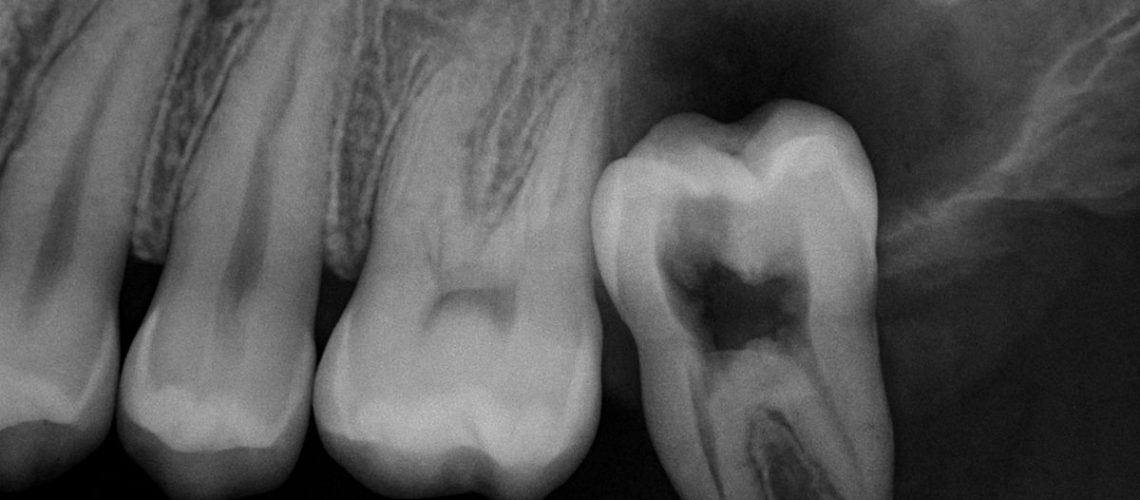
Molar tooth gum swelling is when the gum tissue around a back tooth becomes puffy, tender, or red. It’s often linked to wisdom teeth that are partially erupted or infected, but it can also come from an abscessed molar, gum disease, or a trapped bit of food. This article explains common causes, simple home care steps, warning signs that need urgent care, and when to see an oral surgeon. If you’re seeing molar tooth gum swelling in Plymouth, MA, these tips can help you decide what to do next.
Common causes of molar tooth gum swelling
Pericoronitis (wisdom tooth gum infection)
Partially erupted wisdom teeth can leave a flap of gum that traps food and bacteria. That pocket becomes inflamed, painful, and swollen. Pericoronitis often hurts when you open your mouth, chew, or swallow.
Tooth infection or abscess
Deep decay or a cracked molar lets bacteria reach the tooth’s nerve. The body responds with an abscess — a pus-filled pocket that pushes on nearby gum tissue and causes noticeable swelling and throbbing pain.
Gum disease (gingivitis/periodontitis)
Plaque and tartar buildup around molars irritate the gums. Early gum disease (gingivitis) causes redness and swelling; if it progresses to periodontitis, pockets form and swelling can become chronic and painful.
Trauma, erupting teeth, or foreign objects
A blow to the mouth, a new tooth pushing through, or a small piece of food stuck between teeth can all cause short-term gum swelling near a molar. These usually settle once the irritant is removed.
Symptoms that mean the swelling is serious
- High fever or chills - Spreading facial swelling or a firm, expanding lump - Trouble breathing or swallowing - Severe or worsening pain despite home care - Pus draining from the gum, or a persistent bad taste/smell - Swelling that doesn’t improve after a few days If you have any of these signs, seek urgent care or call an oral surgeon right away.
Immediate home care for molar tooth gum swelling
At-home relief steps
Rinse with warm salt water (1/2 teaspoon salt in 8 ounces of warm water) several times a day to reduce bacteria and soothe tissue. Gently brush and floss around the area, eat soft foods, apply a cold compress to the outside cheek for 10–15 minutes for external swelling, and avoid smoking or spitting.
Medications and cautions
Use OTC pain relievers like acetaminophen or ibuprofen as directed. Only take antibiotics if a provider prescribes them — antibiotics won’t help every case and should be used properly. Don’t try to dig, lance, or drain the area yourself.
When to see an oral surgeon — wisdom teeth and extractions
If home care fails, infections recur, swelling spreads, or an impacted wisdom tooth is causing pain or crowding, see an oral surgeon. In the office you’ll get an exam and X-rays or CBCT imaging, a diagnosis, and a treatment plan that may include antibiotics, drainage, extraction, or root treatment. Complex cases may require IV or oral sedation and advanced planning.
What to expect at Lane Oral Surgery
Lane Oral Surgery offers evaluation and treatment for molar tooth gum swelling at their Plymouth-area locations. Services include wisdom tooth removal, tooth extractions, advanced imaging for safe planning, and sedation options (IV, nitrous oxide, oral) for comfort. They also use tools like PRP to support healing and the SmileOn! implant solution for same-day replacement when extraction and immediate restoration are appropriate.
Preventing future molar tooth gum swelling
Brush twice daily, floss daily, and keep regular dental checkups to catch cavities and gum disease early. Have wisdom teeth evaluated before problems start. If you’ve had surgery or an extraction, follow post-op care and use a soft toothbrush when healing.
If molar tooth gum swelling in Plymouth, MA is persistent, worsening, or accompanied by any red-flag symptoms, schedule an evaluation with an oral surgeon. Lane Oral Surgery offers consultations and urgent care guidance — contact the office or seek emergency care for severe breathing, swallowing, or rapidly spreading facial swelling.