
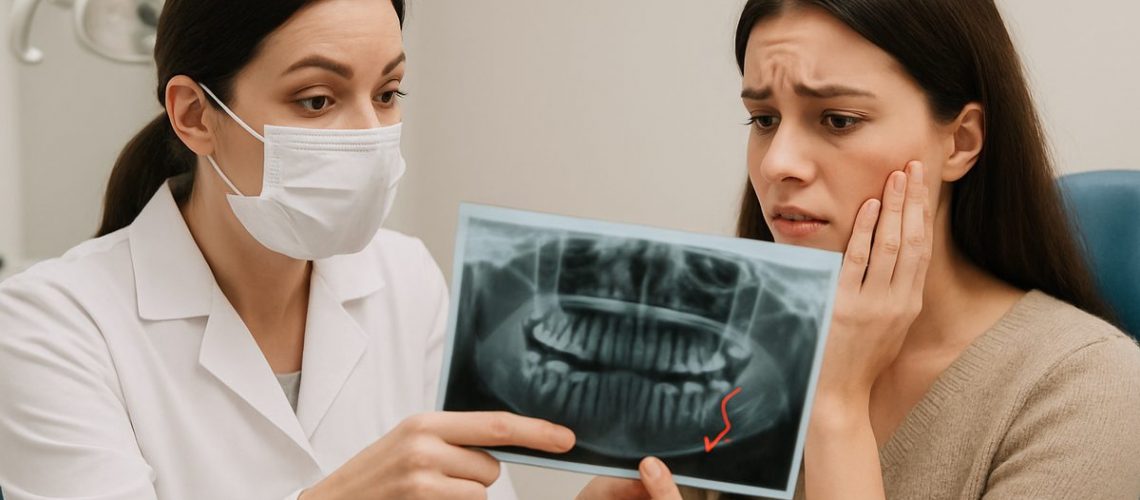
Many people ask, "Is wisdom teeth removal safe?" Wisdom tooth extraction is a common oral surgery to remove third molars that cause pain, infection, crowding, or other problems. This article explains how safe the procedure is, the most common risks, how we reduce danger with modern care, what to expect during recovery, who needs the procedure, and next steps if you live near Plymouth, Sandwich, or Bourne, MA.
Is wisdom tooth extraction safe?
Yes. With modern techniques and trained surgeons, wisdom tooth extraction is very safe for most patients. Complications are uncommon when care follows proper planning, imaging, and infection control. Most people experience predictable pain, swelling, and a short healing time. If you need wisdom tooth extraction in Plymouth, MA, or nearby, your care team will explain risks and steps to lower them before surgery.
Common risks and complications of wisdom tooth extraction
Most problems are minor and treatable. Knowing the risks helps you spot issues early.
Dry socket
Dry socket happens when the blood clot at the extraction site dislodges or dissolves, exposing the bone. Symptoms include worsening pain a few days after surgery and a foul taste or bad breath. Dry socket occurs in a small percentage of cases (commonly 1–5%, higher with smokers). Treatment includes cleaning the socket, placing a medicated dressing, and pain control. It usually heals within a week with treatment.
Infection
Infections can cause swelling, fever, pus, and increased pain. They are uncommon with good surgical technique and oral hygiene. When infection appears, antibiotics and close follow-up usually resolve it. Contact your surgeon if you have fever, spreading swelling, or trouble breathing or swallowing.
Nerve irritation or injury
Nearby nerves — the inferior alveolar and lingual nerves — can be irritated during extraction. This may cause temporary tingling or numbness in the lip, chin, or tongue. Permanent nerve injury is rare. Risk is higher when roots lie close to nerves, which we identify with imaging. Surgeons discuss nerve risk before surgery and may recommend alternate plans when risk is significant.
Sinus or jaw complications
Upper wisdom teeth sit near the sinuses. Very rarely an extraction can open a sinus or cause sinus symptoms; these usually heal with proper care. Jaw fractures are extremely rare and most often occur when teeth are deeply impacted or bone is weak.
How we make wisdom tooth extraction safer in Plymouth, MA
Lane Oral Surgery uses steps that reduce risk and improve outcomes for wisdom tooth extraction in Plymouth, MA:
- Comprehensive exam and medical history review to flag conditions or medications that affect safety.
- Advanced imaging (CBCT) to map tooth roots and nerves before surgery.
- Clear surgical planning and informed consent. Specialists are recommended for complex cases.
- Multiple anesthesia options — IV sedation, nitrous oxide, or oral sedation — to keep patients comfortable and stable during the procedure.
What to expect during and after wisdom tooth extraction in Sandwich, MA
During the procedure
Most extractions take 30–90 minutes depending on complexity. You’ll receive local anesthesia and any planned sedation. You may feel pressure but not sharp pain. The team monitors you throughout the procedure and explains each step beforehand.
First 48–72 hours
Pain and swelling peak in the first two days. Use prescribed or over‑the‑counter pain medicine as directed, apply ice to reduce swelling, and keep a mostly soft diet. Minor bleeding or oozing is normal; biting on gauze and avoiding strenuous activity usually stops it. Do not smoke or use a straw — both raise the risk of dry socket.
Recovery timeline
Most patients return to work or school within 2–4 days for routine extractions and a week for more complex cases. Healing of soft tissues typically completes in 2–3 weeks; bone remodeling continues for months. Seek urgent care if you have severe bleeding, high fever, spreading facial swelling, or increasing numbness lasting beyond a few days.
Who needs wisdom tooth extraction and are there alternatives?
Removal is recommended for pain, repeated infections, damage to nearby teeth, cysts, or when wisdom teeth interfere with orthodontic plans. Some patients with healthy, fully erupted wisdom teeth can be monitored instead of removed. Watchful waiting is reasonable when teeth are symptom-free and low risk, but delaying removal can make surgery more difficult if problems develop later.
Frequently asked questions about wisdom tooth extraction
Will extraction affect my facial nerves or cause permanent numbness?
Temporary numbness is possible but permanent numbness is rare. Advanced imaging and careful surgical planning lower the risk. Your surgeon will discuss nerve risk with you before surgery.
How much pain should I expect?
Pain varies by case. Expect mild to moderate pain managed with prescribed or OTC medication. Pain usually decreases significantly after the first 72 hours.
Can I drive home after sedation?
No. If you receive IV or oral sedation, you must arrange a responsible adult to drive you home and stay with you for several hours while the sedative wears off.
About Lane Oral Surgery and next steps
Lane Oral Surgery brings over 35 years of experience and a multi‑doctor team to care for patients needing wisdom tooth extraction in Plymouth, MA and nearby communities. We use CBCT imaging, IV sedation, PRP to support healing, and the SmileOn! system when same‑day tooth replacement is needed. Our offices in Plymouth, Sandwich, and Bourne offer in‑house financing and patient resources like testimonials, a smile gallery, and a video library to help you prepare.
If you or a family member needs wisdom tooth extraction in Plymouth, MA or nearby, schedule a consultation to review your images, discuss anesthesia options, and get a clear plan tailored to your health and comfort.